
Oxygen Therapy for Energy & Fatigue: What Does the Research Actually Show?
Feeling refreshed after two quiet hours is plausible. Proving that oxygen “boosts energy” or treats fatigue is a much stronger claim.
Human studies have examined oxygen after exercise, muscle fatigue and clinical fatigue states. Some results are positive, some are mixed, and most protocols are not equivalent to Oxygen Clinic.
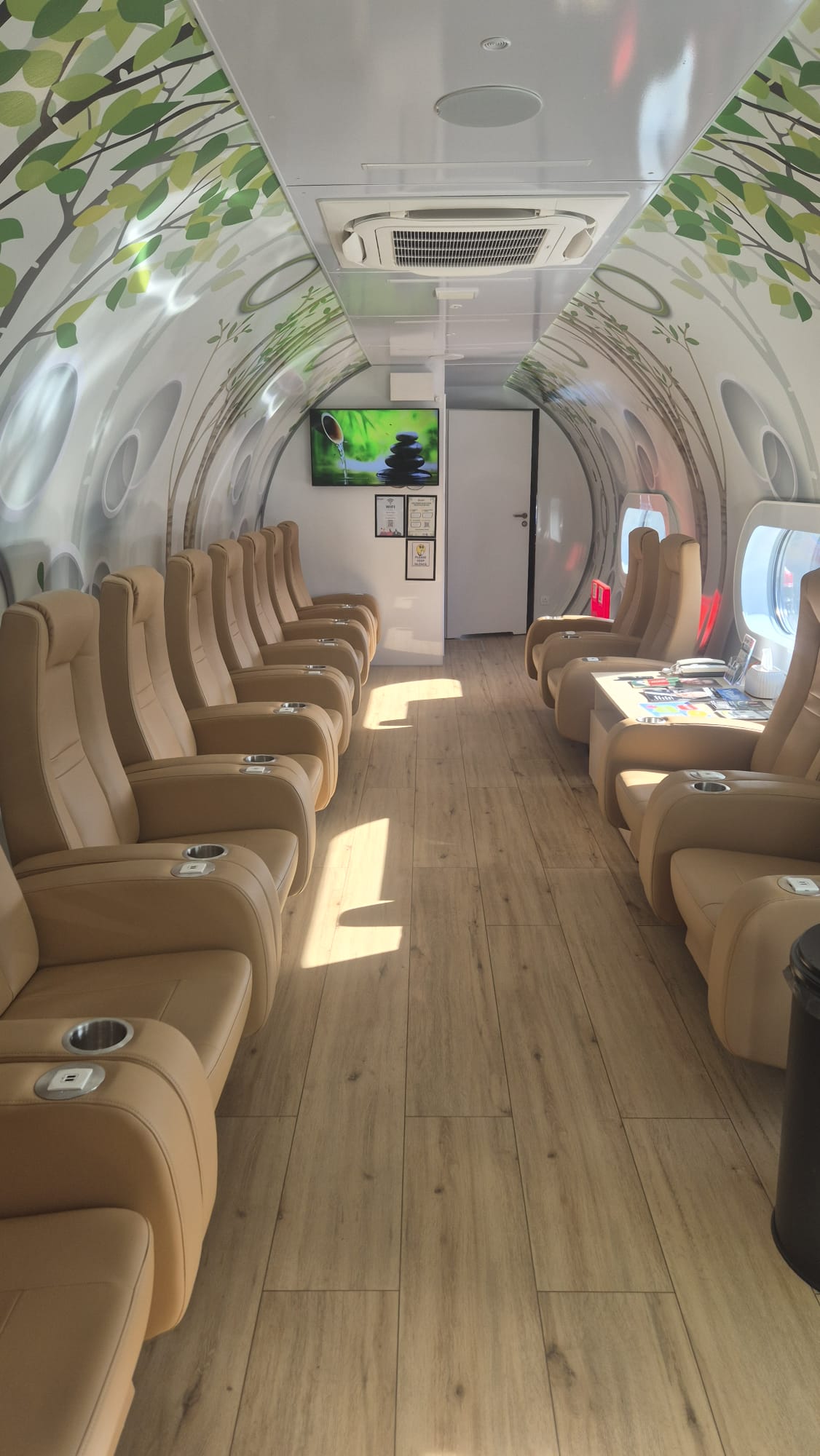
Research suggests that some oxygen protocols can influence short-term recovery after exercise, including lactate, perceived exertion or selected muscle-performance markers. But studies use different oxygen concentrations, pressures and durations. Current evidence does not establish that Oxygen Clinic’s two-hour chamber treats persistent fatigue or guarantees an “energy boost”.
“Tired after exercise” is not the same as persistent fatigue
Fatigue can mean several different things: temporary muscular fatigue after exercise, mental tiredness after prolonged concentration, sleepiness, illness-related fatigue or persistent unexplained exhaustion.
A study showing faster recovery after a treadmill run does not prove treatment of chronic fatigue, long-term low energy, anaemia, thyroid disease, sleep disorders or another underlying condition. Those are different questions and require different evidence.
What happened after 30 minutes of supplemental oxygen?
A 2022 randomised study enrolled 48 male university students after a maximal 3,000-m treadmill run. Twenty-four inhaled supplemental oxygen for 30 minutes while the control group recovered naturally.
The oxygen group showed differences in microcirculatory blood flow, muscle oxygen saturation, heart-rate recovery, lactate, urea and creatine kinase at the 30-minute assessment.
A small study found one performance measure improved — others did not
A 2014 crossover study in 12 men tested recovery from repeated quadriceps exercise under ordinary air versus 30% oxygen. Maximum voluntary isometric contraction recovered better under hyperoxia after the second recovery period.
But endurance time, blood lactate and perceived exertion did not differ meaningfully between conditions. That mixed pattern is useful: even when one laboratory outcome improves, it does not mean every dimension of “fatigue” improves.
What do 2026 studies say about exercise recovery?
| Evidence | Protocol | Finding | Transfer to Oxygen Clinic? |
|---|---|---|---|
| 2026 RCT · acute exercise fatigue | 34 physical-education students; 60 min at 1.3 ATA HBOT vs natural recovery | Lower lactate and perceived exertion plus EEG/sEMG differences after recovery | No — different pressure, oxygen protocol and exercise model |
| 2026 meta-analysis · muscle injury/soreness | 10 articles, 299 participants, clinical HBOT protocols | Pooled muscle-injury recovery improved; overall muscle soreness did not | No — this is clinical HBOT, not Oxygen Clinic |
| 2020 similar multi-gas chamber study | 17 healthy adults; 10 × 2 h at 1500 hPa | Fatigue Severity Scale score fell alongside some cognitive/biochemical changes | Only hypothesis-generating: no control group and multiple variables changed |

What did the 1500 hPa chamber study find about fatigue?
In the small 2020 chamber study, 17 healthy volunteers completed ten two-hour sessions at 1500 hPa in a controlled multi-gas atmosphere. The researchers measured fatigue using the Fatigue Severity Scale before and after the programme and reported a reduction after the sessions.
However, the study had no control group, involved a small sample and changed pressure, oxygen, carbon dioxide and hydrogen together. Practice effects, expectation, time and other factors cannot be excluded.
What does “feeling recharged” actually mean?
In everyday language, “more energy” can mean feeling less sleepy, less mentally drained, more willing to exercise, physically stronger or simply refreshed after a break. Those are different outcomes.
Oxygen Clinic can safely describe the experience as two scheduled hours of downtime and can report genuine customer experience in appropriately limited terms. It should not turn that into a guaranteed physiological “energy boost” unless robust evidence supports that exact claim for the clinic’s protocol.
“Two hours of scheduled downtime in a comfortable chamber environment.”
“Boosts energy”, “eliminates fatigue”, “restores cellular energy” or similar objective outcomes.
The current “energy” wording is stronger than the evidence supports
Oxygen Clinic’s current homepage uses the heading “Limitless Energy for a Boundless Life” and says the experience can support natural energy restoration. The Night Sessions page also refers to enhanced energy levels and vitality.
Given ASA/CAP’s position on oxygen-therapy health claims, a safer long-term strategy would be to replace objective “energy boost” language with experience-led wording unless the clinic obtains robust evidence directly supporting its specific chamber protocol.
Persistent fatigue is not something a wellness article should diagnose
Persistent or unexplained fatigue can have many causes. A wellness chamber should not be presented as a substitute for appropriate assessment when tiredness is severe, new, persistent or affecting daily life.
Oxygen Clinic itself positions its service as a wellness experience rather than medical treatment. If fatigue may be linked to a health condition, the appropriate next step is clinical advice rather than assuming an oxygen session addresses the cause.
Oxygen therapy, energy and fatigue: quick answers
Can oxygen therapy reduce fatigue?
Some studies of exercise-related fatigue and clinical HBOT report improvements in selected fatigue or recovery outcomes. The evidence is protocol-specific and does not establish Oxygen Clinic as a treatment for persistent fatigue.
Does oxygen give you more energy?
That wording is too broad. Research has measured specific outcomes such as lactate, strength, perceived exertion and fatigue scores. A guaranteed general “energy boost” is not established for Oxygen Clinic’s protocol.
Has normobaric oxygen been studied after exercise?
Yes. A 2022 randomised study in 48 male university students reported differences in several short-term recovery markers after 30 minutes of supplemental oxygen following a hard treadmill run.
Has HBOT been studied for exercise fatigue?
Yes. A 2026 randomised trial using 1.3 ATA HBOT after blood-flow-restriction exercise reported lower lactate and perceived exertion and differences in EEG/sEMG recovery measures. That protocol is not the same as Oxygen Clinic.
Can Oxygen Clinic treat chronic fatigue?
No treatment claim is made here. Oxygen Clinic provides a wellness experience, and the available evidence does not establish its two-hour chamber as a treatment for chronic or medically unexplained fatigue.
Can I simply use the session as downtime?
Yes. Oxygen Clinic’s current visitor information says guests can read, work quietly, listen to something or sleep during the standard two-hour session.
Sources used for this guide
Want two hours of downtime rather than an “energy promise”?
See what happens during your first session and what you can read, watch, work on or simply sleep through.